This article may contain affiliate/compensated links. For full information, please see our disclaimer here.
This is a guest post by Thomas and Paula, co-creators of TourCostaDelSol.com.
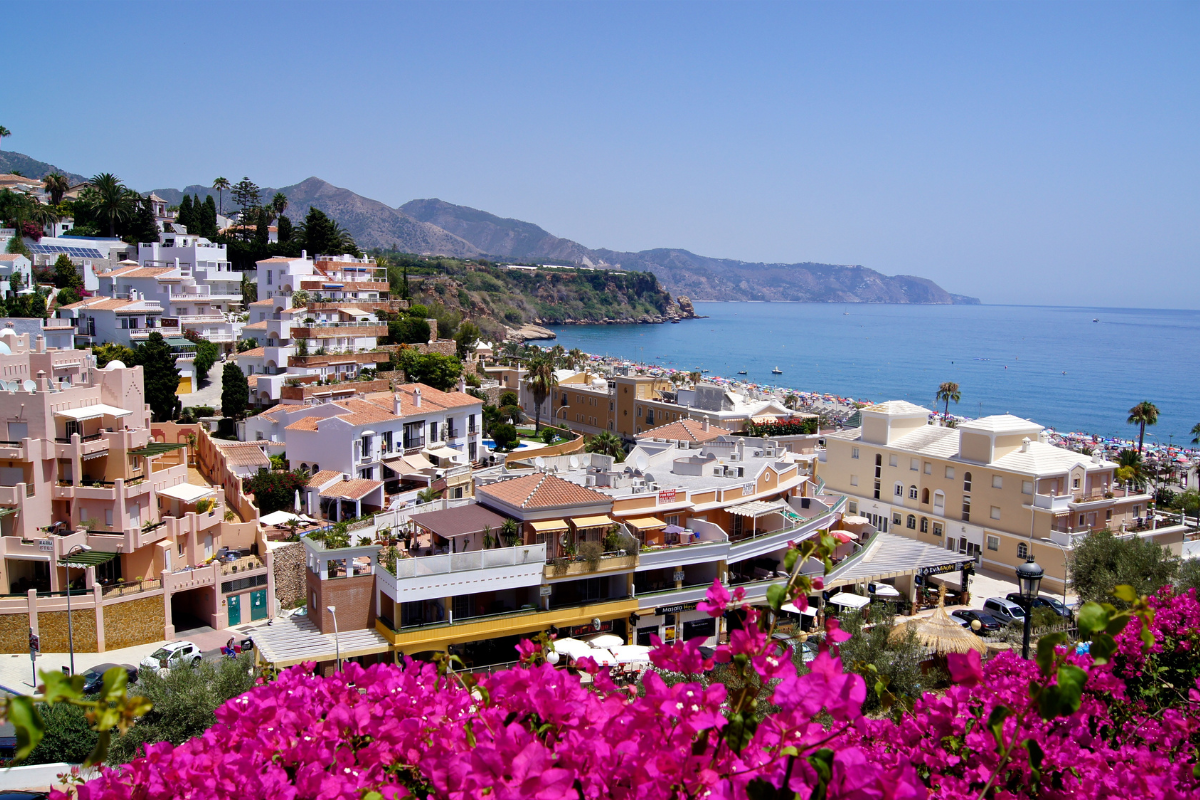
The Costa del Sol in the south of Spain evokes images of crowded beaches, glitzy resorts, and sunburned tourists clutching frozen cocktails.
But for couples who crave something quieter, something more meaningful, this part of southern Spain holds a different kind of magic.
Beyond the promenade and past the guidebook hotspots, the region is filled with overlooked corners, timeless villages, and soul-stirring landscapes that offer something increasingly rare: space to breathe and connect.
Over the years, we’ve wandered this coast not as vacationers but as explorers on a slow-burning love affair with the land, the lifestyle, and each other.
We didn’t move here to chase sunsets and siestas, but we’ve found both in abundance and discovered that Costa del Sol can be one of the most romantic regions in Europe, if you know where to look.
Romance here doesn’t come prepackaged. It emerges slowly, in the soft rhythm of village life, in conversations shared over grilled sardines, or in the thrill of discovering a viewpoint all to yourself.
This guide isn’t about five-star hotels or tourist must-sees. It’s a collection of personal favorites, real places that have shaped our relationship and deepened our connection to the region.
From secret sunset spots to white villages with no crowds, each one offers a kind of intimacy that’s hard to find in more commercial corners of the Mediterranean.
If you’re the kind of couple who’d rather swap spa robes for hiking boots, or choose a mountain village over a luxury suite, you’ll find plenty to fall for here. And if you want even more ideas, local tips, and real-time discoveries, we’re sharing it all at TourCostaDelSol.com, our online home for authentic travel in this stunning part of Spain.
1. Hidden Sunset Spot: The Viewpoint Above Playa de Maro
Just above the well-trodden paths of Nerja lies a detour that rarely appears on maps or Instagram feeds.
A rough dirt road leads you up behind Playa de Maro, winding past avocado orchards and the occasional wandering goat. Eventually, it opens onto a rocky clifftop where the Mediterranean stretches out endlessly below.
There are no benches, no fences, no souvenir stands, just nature at its purest and a view that feels like a secret.
We found this place on a whim during a weekend drive, and it’s since become a sacred ritual for us. When life gets hectic, we pack a small picnic and escape to this lookout.
We’ve watched the sky turn sherbet pink, spotted dolphins near the coastline, and shared quiet moments that seem to linger long after the sun dips below the horizon.
*Pro tip:* Bring a thick blanket or yoga mat to soften the rocky ground. A few local treats elevate the experience: olives from the Vélez-Málaga market, a wedge of sheep’s cheese, and a bottle of semi-dry muscatel from Frigiliana. Don’t forget layers—it gets breezy after sundown.
2. Date Night on a Budget: Fishermen’s Chiringuitos
In Costa del Sol, romance doesn’t require white tablecloths or three-digit price tags. For us, the perfect date night involves sand between our toes, the scent of charcoal-grilled fish, and the hum of the waves a few feet away.
That’s why we skip the overpriced beachfront restaurants and head straight for the local chiringuitos, those humble, open-air seafood joints where the catch of the day is still warm from the boat.
Our favorite? Restaurante La Plata Casa Matilde in Benajarafe. It’s the kind of place where plastic chairs sit proudly on the sand, the waitstaff knows their regulars, and the espetos (sardines grilled on a skewer over an open fire) come perfectly charred and bursting with flavor. For under €10, you get a plate of sardines that rivals anything served at a fine dining restaurant—and honestly, the setting is far better.
Evenings here feel unhurried. We’ll order a cold beer or tinto de verano, share a plate of boquerones or calamares, and watch the sky shift from gold to deep lavender. Kids play in the surf, locals chat in rapid-fire Spanish, and the Mediterranean keeps its rhythm.
It’s messy, simple, and beautiful, and it reminds us that romance lives in real moments, not curated ones.
*Pro Tip:* Come just before sunset for the best views and easiest parking. And don’t skip the alioli, it’s garlicky heaven.
3. The White Village We’d Move to Tomorrow: Canillas de Aceituno
Frigiliana and Mijas may top the travel blogs, but our hearts belong to Canillas de Aceituno.
Perched high in the Axarquía mountains, this village offers all the charm of the famous pueblos blancos with a fraction of the foot traffic. The drive up is an adventure in itself, steep, winding, and flanked by dramatic cliffs and olive groves. But at the top? Magic.
Canillas is the kind of place where you can hear your footsteps echo in the alleyways. Its whitewashed homes glow in the afternoon sun, adorned with blue flowerpots and curious cats.
There’s one main square with a bakery, a few bars, and a butcher shop that doubles as the village newsstand. For us, it’s the quiet that feels revolutionary.
We spent an anniversary weekend here and found ourselves doing very little: sipping coffee in the square, chatting with a retired couple from Madrid, and walking the trails just outside the village.
One led us to a natural spring hidden in the hills; another to the suspended footbridge over El Saltillo gorge. That walk, where the only sounds were birdsong and our own laughter, felt more intimate than any dinner reservation.
*Don’t miss:* The El Saltillo hike is accessible but lightly marked, so wear good shoes and bring water. If you’re staying overnight, book one of the village’s cortijos with mountain views and a wood-burning stove.
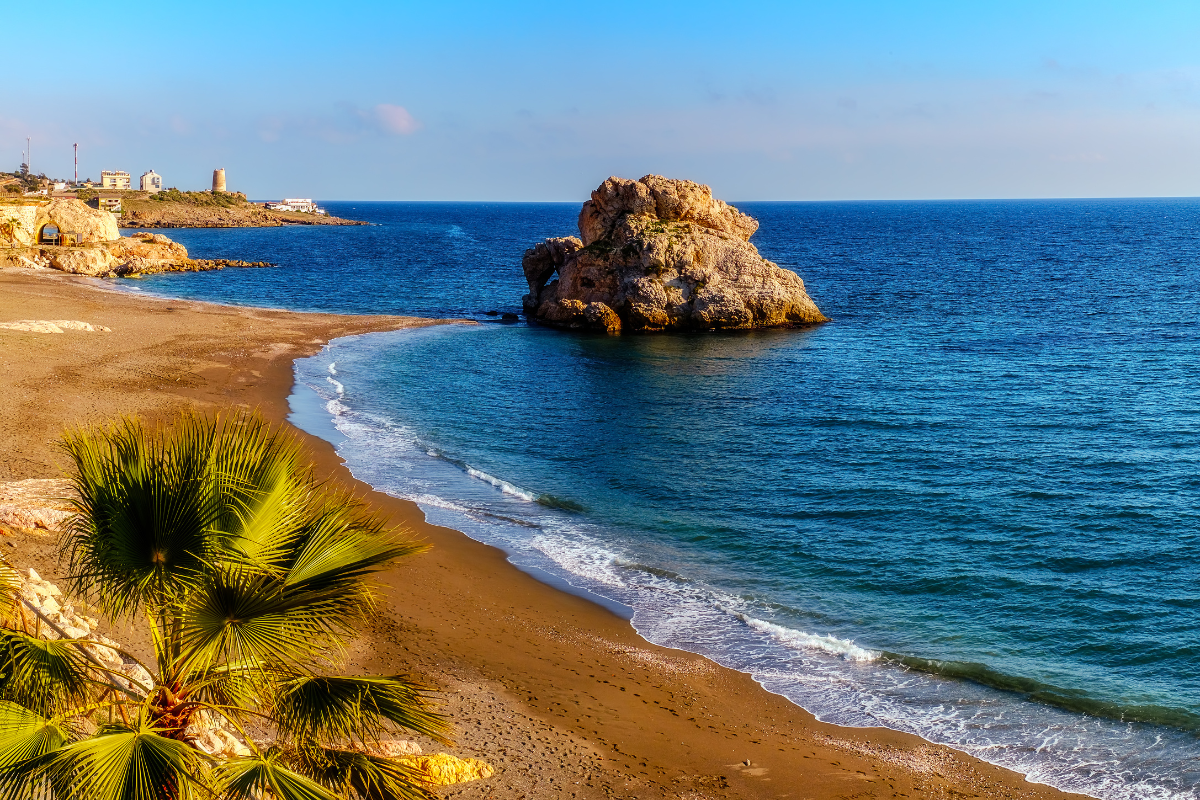
4. A Weekend Itinerary We’ve Perfected for Visiting Friends
When friends come to visit, we want to show them the Costa del Sol we know: rich in texture, not just tan lines. Over time, we’ve crafted a two-day itinerary that balances city buzz, mountain calm, and coastal joy, a mix that consistently makes people say, “I get why you live here.”
Day 1: Start in Málaga with a proper Spanish breakfast: mollete with tomato and olive oil, paired with café con leche at Café Central.
Then wander the old town: the Alcazaba, Picasso Museum, and a stop at Atarazanas Market for salty ham and sweet figs.
Around noon, grab a table at El Pimpi and toast to the weekend with a glass of vermouth.
After lunch, take the scenic coastal drive to Frigiliana, stopping at viewpoints to soak it all in.
As the light softens, head to the viewpoint above Playa de Maro for a picnic and the most romantic sunset we know.
Overnight: Stay near Cómpeta in a rural casa with a terrace and starry skies. A wood-fire stove and a bottle of wine? Optional, but encouraged.
Day 2: Wake up to birdsong and fresh mountain air. After a slow breakfast, head into the Sierras de Tejeda for a light hike, either the Ruta de las Fuentes or the path to El Saltillo.
Later, return to Canillas de Aceituno for a slow lunch: grilled lamb, rustic bread, and views that stretch for miles.
Wrap it all up with a sunset swim at El Palo and those espetos we can’t shut up about.
5. Bonus Ideas for Romance Without the Crowds
Sometimes it’s the unscheduled, spontaneous moments that feel the most romantic. Here are a few off-the-radar ideas we keep coming back to:
Wine tasting in Moclinejo or Sayalonga: These aren’t your Napa-style vineyards. Instead, you’ll find family-run bodegas where the owner pours the wine, the dog keeps you company, and tastings end with homemade tapas and long conversations.
Private hammam in Málaga: Hammam Al Ándalus offers an oasis in the city, candlelit pools, aromatic steam rooms, and the chance to feel like you’re in another century. Book early and try the “Midra” ritual, a combination of massage and exfoliation that leaves you both floating.
Artisan villages like Ojén: Just inland from Marbella, Ojén is a place where time slows and every corner reveals a new surprise: a ceramicist at work, a hidden bar with four stools, a rooftop view that feels entirely your own.
Conclusion: Romance Is slower in the Costa del Sol
Our version of romance doesn’t come with champagne service or sunset yacht cruises. It comes in quiet doses. A shared plate of sardines at a chiringuito, the hush of a mountain trail, the rustle of olive trees in a breeze that carries no rush.
The Costa del Sol, when experienced through slower footsteps and open eyes, offers couples something more than a holiday. It offers presence.
We didn’t fall in love with this region in one grand moment. It happened gradually, through dozens of little experiences that stitched themselves into memory: a perfect café con leche after a long hike, a random turn down a road that led to a cliffside view, a surprise bottle of local wine shared under the stars.
The romance here isn’t loud. It’s in the details. It asks for your attention, and rewards you with depth.
For couples seeking reconnection, this coastline can be transformative. It doesn’t demand that you do more, but invites you to feel more.
Time moves differently in the mountain villages and along the lesser-known beaches. You’ll find yourselves talking more, scrolling less, and noticing the way the late afternoon sun turns everything to gold.
So our invitation is simple: slow down. Let yourself get lost. Trade the resort schedule for spontaneous detours, and you’ll uncover a Costa del Sol that many miss, but few forget.
And if you’re ready to discover more hidden spots, off-the-beaten-path towns, and personal tips we’re gathering all the time, we’ve created TourCostaDelSol.com to help other couples find the magic that’s kept us here.
Because the best kind of travel is the kind that brings you closer, not just to the place, but to each other.
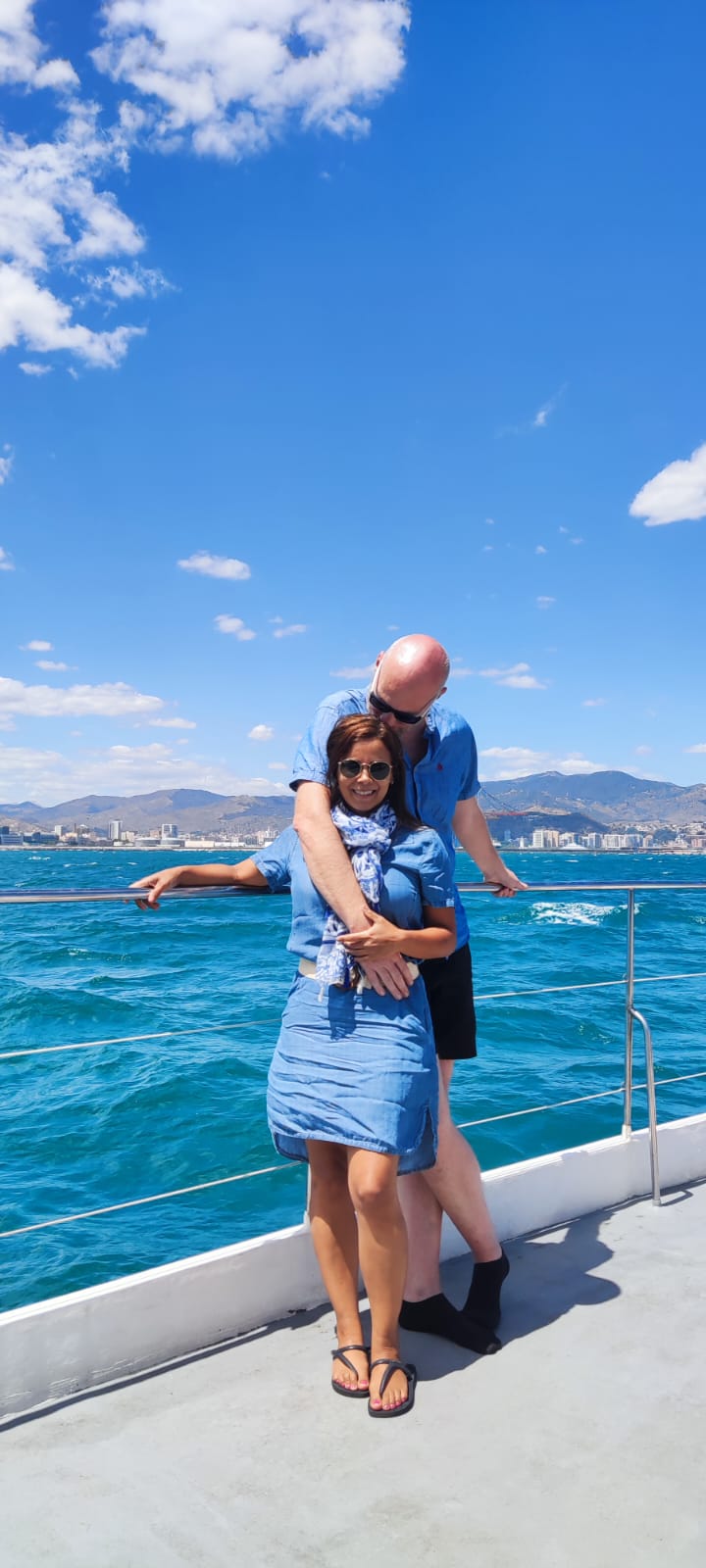
Author Bio:
Thomas and Paula are the co-creators of TourCostaDelSol.com, a curated guide to the best tours, villages, and hidden corners of Spain’s southern coast. Thomas, originally from Denmark, and Paula, from Brazil, are a couple based in Málaga with a shared love for slow travel, local food, and uncovering the cultural soul of Andalusia.
Leave a Reply